
By Kurt Nowak, Vice President of Fire Protection, Lee Mechanical
A practical look at how stricter enforcement, updated standards, and new documentation expectations are reshaping fire protection compliance in Wisconsin.
Wisconsin fire officials and the Department of Safety and Professional Services (DSPS) are aligning code enforcement more closely with adopted NFPA standards and commercial building rules. Wisconsin Administrative Code SPS 361 to 366 governs commercial building design and retroactivity. SPS 314 and related chapters govern fire prevention and system maintenance requirements⁹.
Wisconsin adopts NFPA 25 for inspection, testing, and maintenance of water based fire protection systems. Many existing systems follow the 2011 edition, with newer editions considered as codes update¹². NFPA 25 outlines minimum ITM requirements for water based systems including sprinklers, standpipes, and fire pumps¹.
Similarly, NFPA 72 sets requirements for application, installation, performance, inspection, testing, and maintenance of fire alarm and signaling systems³.
The result is clear. Informal practices that previously passed inspection are being challenged. AHJs are pushing for documentation, accuracy, and credentialed oversight.
Expanded Inspection and Testing Requirements
Expect AHJs to hold you closer to NFPA 25 and NFPA 72 as written.
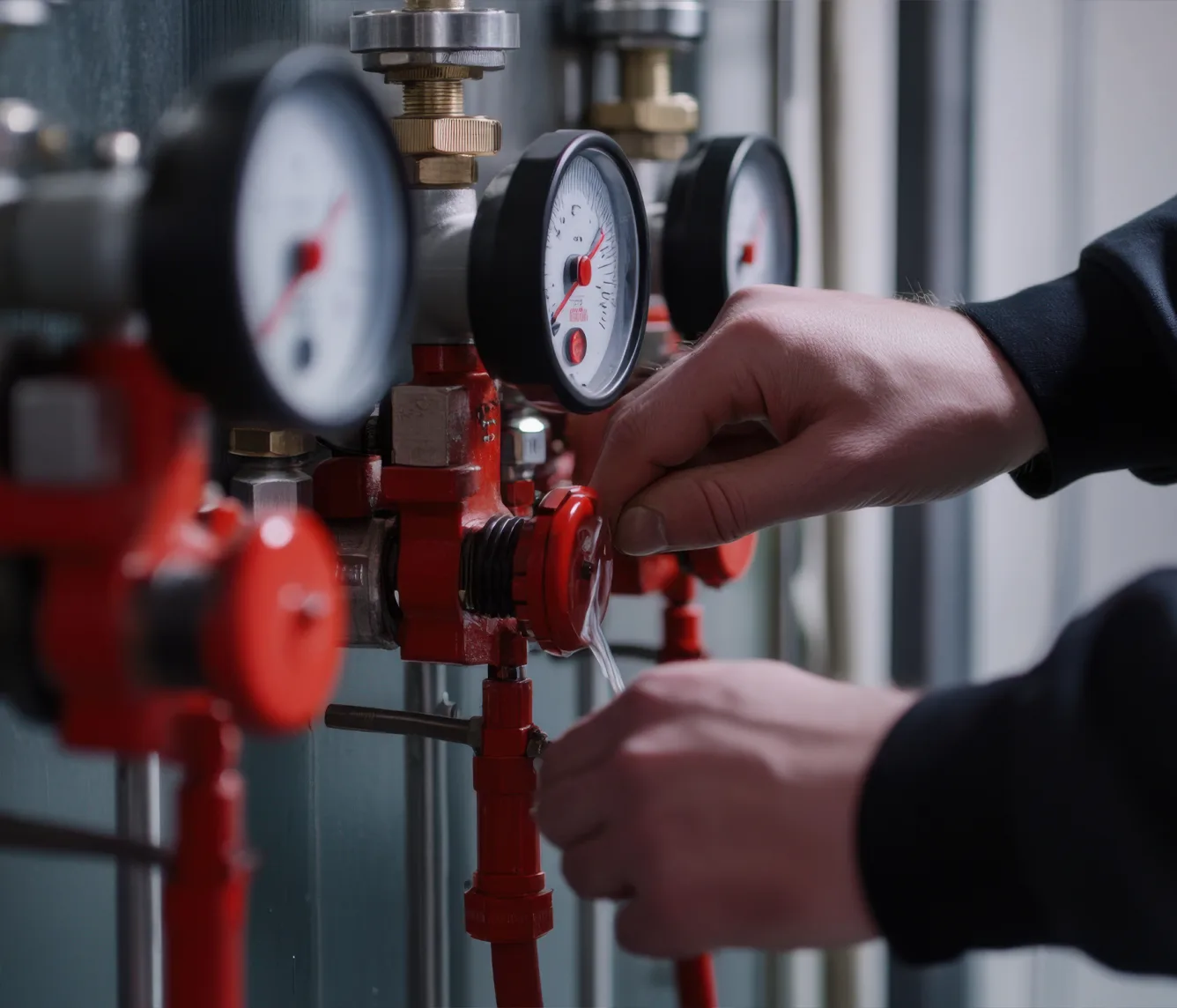
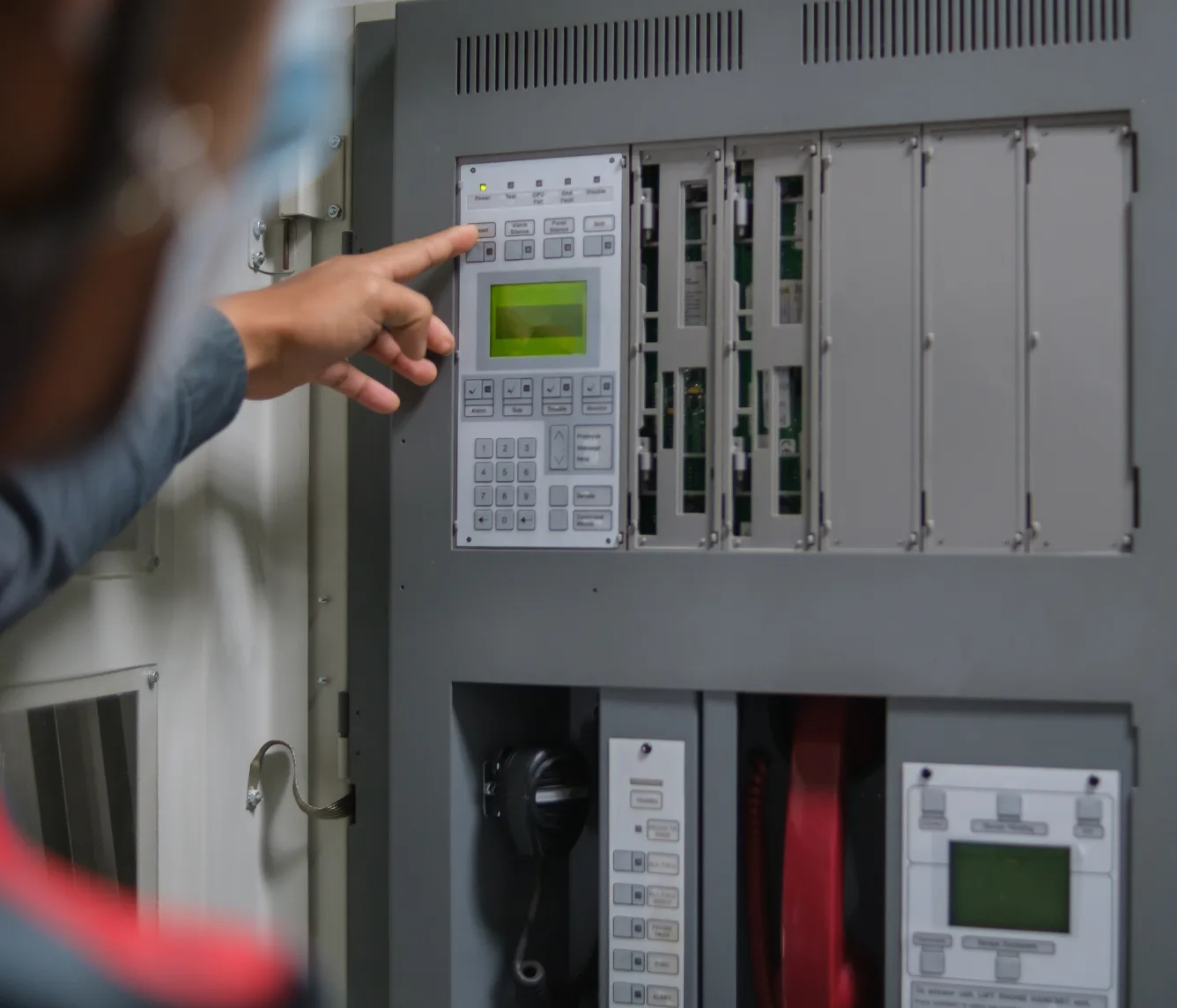
NFPA 25 details how often sprinkler, standpipe, and pump systems must be inspected and tested, with tasks broken down into weekly, monthly, quarterly, annual, and multi year intervals¹². NFPA 72 provides similar requirements for alarm and detection systems, including functional tests, reacceptance tests, and detailed recordkeeping³.
In practice, this means:
- Stronger enforcement of NFPA based quarterly and annual inspection cycles for sprinklers, pumps, and alarms¹²³.
- Increased reliance on accurate written inspection reports, digital documentation, and deficiency tracking platforms instead of paper-only workflows⁶.
- More municipalities adopting third party deficiency management platforms for transparency and accountability.
- Less emphasis on full flow fire pump testing than originally anticipated. Pump testing remains required, but many Wisconsin municipalities are instead prioritizing documentation accuracy and timely deficiency closure over expanded pump testing intervals¹².
Increased Requirements for System Modernization
Legacy or patched systems are under closer scrutiny, especially when buildings expand, add storage, or change use.
NFPA 25 requires systems to be maintained according to the adopted edition regardless of the year installed¹². When occupancy type, fuel load, or layout changes, Wisconsin building rules and NFPA standards expect re evaluation of system adequacy rather than relying on the original design⁹.
Modernization pressure typically includes:
- Updating outdated or unsupported detection devices with newer, more reliable technology³⁶.
- Upgrading notification systems for improved reliability, integration, and code alignment³.
- Re running hydraulic calculations following layout changes, increased storage height, or hazard reclassification⁴.
- Reviewing coverage across expansions, mezzanines, freezers, coolers, and high pile storage⁴⁶.
Stricter Oversight of Impairments and Maintenance
Impairments carry stricter requirements for planning, tagging, notification, and mitigation.
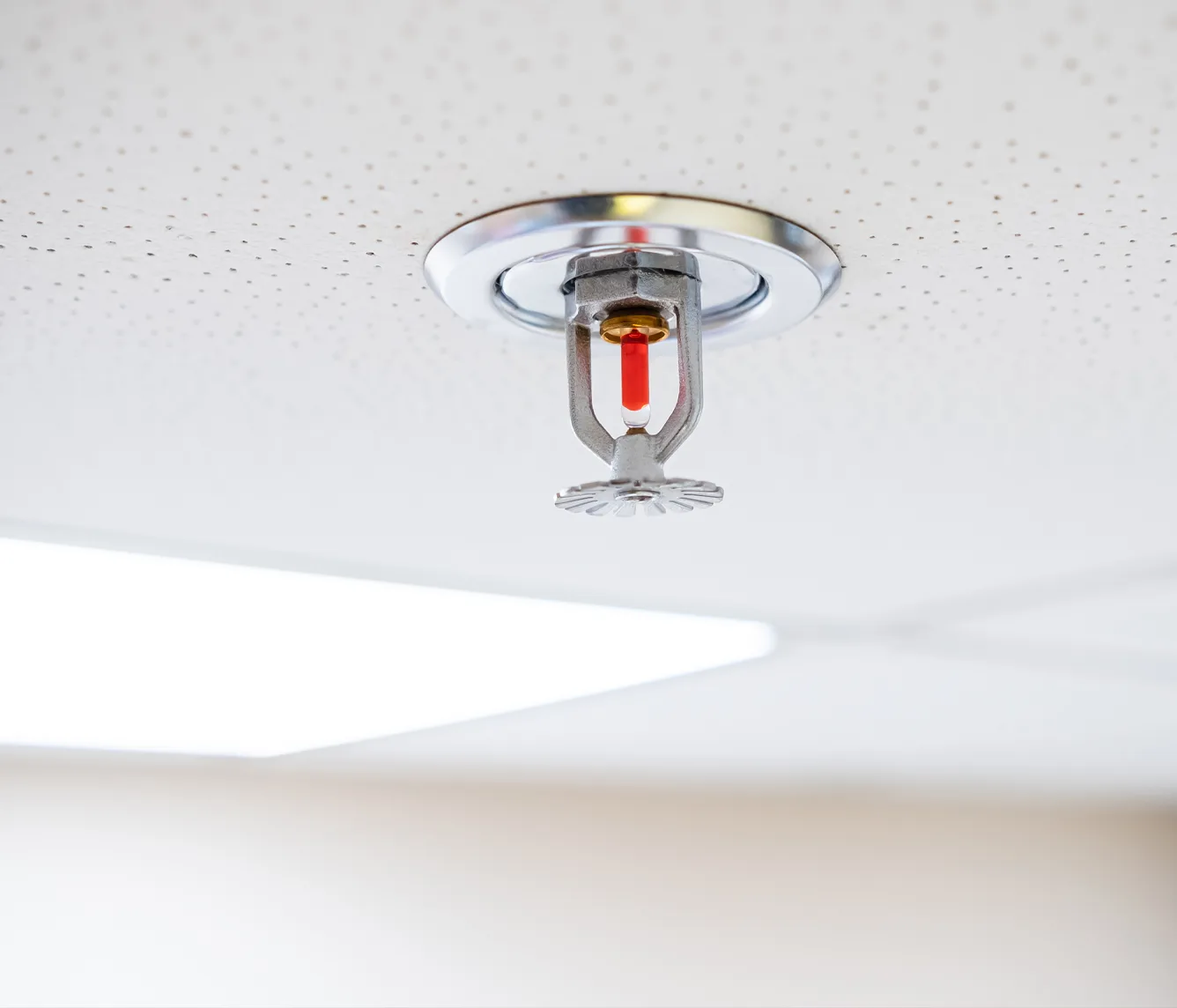
NFPA 25 provides rules for impairments. If a system is out of service beyond defined time thresholds, the AHJ must be notified, and fire watch or evacuation measures must be implemented until the system is restored⁵.
In Wisconsin, this means:
- Preparing formal impairment plans for any planned or unplanned shutdown, outlining duration, impact, and responsible personnel⁶⁵.
- Properly tagging systems or components when out of service⁶.
- Documenting mitigation steps such as fire watch or reduced occupancy⁵.
- Completing and documenting restoration steps before returning systems to service⁶.
Freeze related impairments and required curing times for CPVC or other plastic piping systems also trigger impairment rules.
Greater Enforcement of Contractor Qualifications
Documentation is only as reliable as the people who produce it.
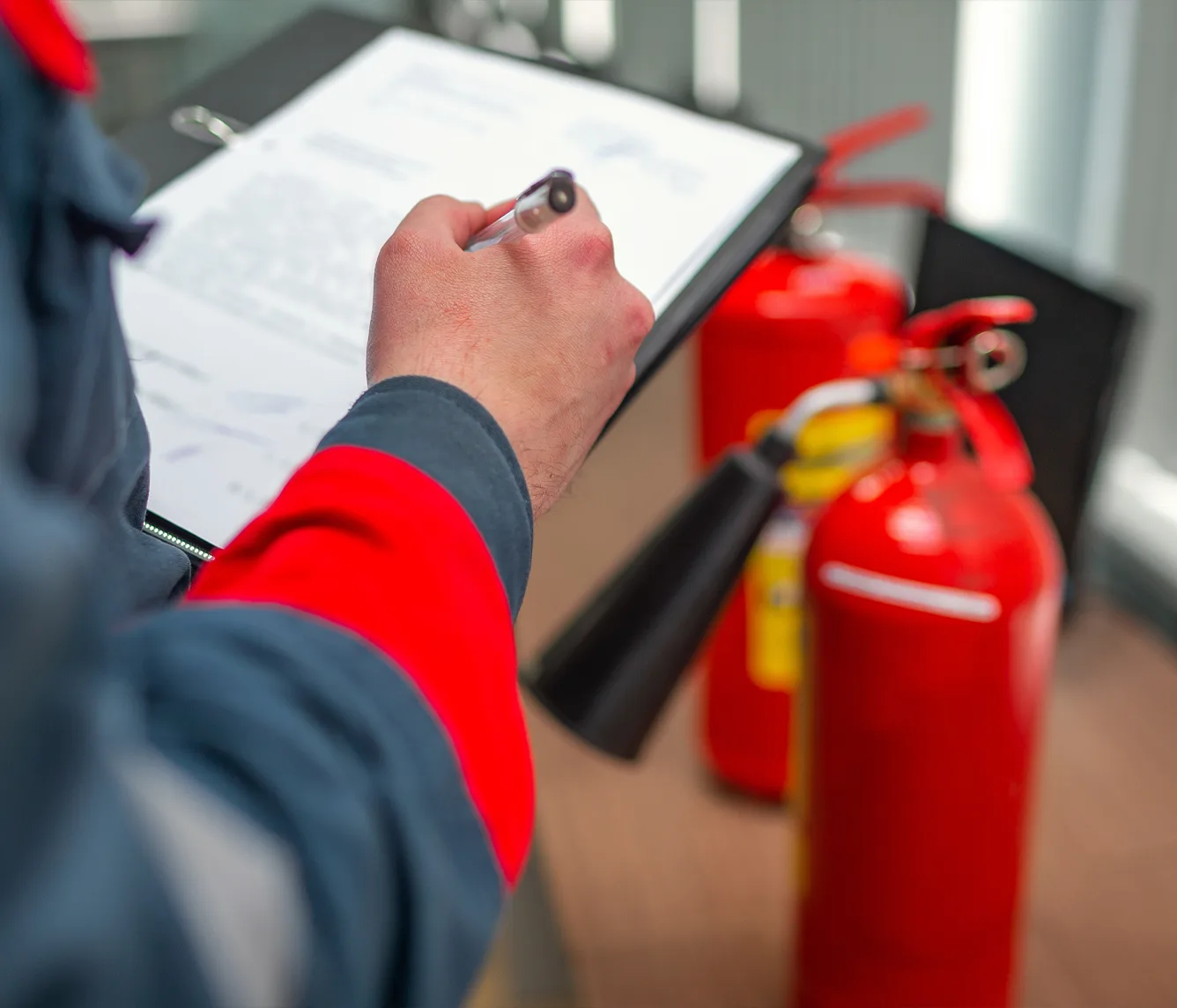
Wisconsin law requires that fire sprinkler installation, maintenance, and repair be performed by licensed or credentialed DSPS professionals⁷⁹. DSPS also requires that annual inspection and testing under SPS 314 be performed by credentialed individuals or firms⁷.
NFPA 25 and NFPA 72 expect inspection and testing to be performed by qualified personnel familiar with both the system and applicable codes¹³.
In practice, AHJs are now:
- Verifying technician credentials and licensing⁷.
- Confirming calibration records for gauges and testing equipment¹.
- Questioning or rejecting reports prepared by unqualified providers⁷⁹.
For owners and GCs, this reinforces the importance of working with licensed union sprinkler contractors and NICET certified personnel.
What Facility Teams Should Do Right Now
Take proactive steps rather than waiting for citations or project delays.
- Commission a system assessment
Benchmark sprinklers, standpipes, pumps, and alarms against NFPA 25, NFPA 72, and Wisconsin code requirements¹³⁹. - Clean up documentation
Standardize inspection reports, deficiency logs, and corrective action records. NFPA standards treat documentation as part of compliance³⁶. - Review changes in building use
Look at expansions, mezzanines, cold storage, freezers, and high pile storage. Hazard changes require system review⁴⁶. - Plan phased modernization
Build multi year budgets and schedules rather than reacting to failures⁴⁶. - Work with qualified MEPF partners
Choose a contractor with licensed union sprinkler professionals, NICET certified technicians, and experience with Wisconsin AHJs⁷⁹.
Moving Forward in a Stricter Compliance Environment
Compliance expectations are rising statewide. Facilities that stay ahead of NFPA requirements and Wisconsin code are reducing risk, improving reliability, and avoiding costly re inspections.
Lee Mechanical provides installation, inspection, maintenance, and modernization across all fire protection system types. Our team aligns field execution with NFPA standards, Wisconsin AHJ expectations, and the operational realities of commercial and industrial facilities.

About the Author
Kurt Nowak, Vice President of Fire Protection
Kurt Nowak leads the Fire Protection Division at Lee Mechanical. He is a licensed automatic fire sprinkler contractor and journeyman sprinkler fitter with nearly twenty years of experience in fabrication, sprinkler design, field installation, service, and project management. He is a proud member of Sprinkler Fitters Local 183 and serves on the Local 183 Finance Committee. His work includes leadership roles in building and expanding large scale fire protection divisions.
Bibliography
1. National Fire Protection Association. NFPA 25: Standard for the Inspection, Testing, and Maintenance of Water Based Fire Protection Systems.
2. National Fire Protection Association. NFPA 25 requirements for inspection and testing; NFSA technical guidance.
3. National Fire Protection Association. NFPA 72: National Fire Alarm and Signaling Code; Johnson Controls Fire Detection Guidance.
4. National Fire Sprinkler Association. Technical guidance on system modernization and hazard changes.
5. Wisconsin Department of Health Services. Fire Procedures for Sprinkler Systems (P 01730).
6. Certified Fire and industry ITM documentation guidance for digital reporting and deficiency management.
7. Wisconsin DSPS. SPS 305 Licensing Requirements and SPS 314 ITM Requirements.
8. NICET Fire Protection Certification requirements and manufacturer level training guidance.
9. Wisconsin Legislature. SPS 361–366 Commercial Building Code and associated retroactivity rules.